
Introduction to Skin Care
Skin care is a fundamental aspect of personal hygiene and overall well-being. It encompasses a variety of practices that aim to maintain and enhance the health, appearance, and texture of the skin. A well-established skin care routine not only helps one achieve aesthetic beauty but also protects the skin from environmental damage and promotes good health. Proper skin care is vital as it forms a barrier against harmful external elements and helps in regulating moisture, allowing the skin to remain supple and resilient.
Understanding your skin type is crucial to developing an effective skin care routine. There are four primary skin types: oily, dry, combination, and sensitive. Oily skin is characterized by excess sebum production, often leading to a shiny complexion and an increased likelihood of pore congestion. In contrast, dry skin lacks sufficient moisture and can appear rough, flaky, and tight, requiring hydrating products to restore its softness.
Combination skin presents a blend of both oily and dry features, typically with an oily T-zone and dry cheeks. This skin type necessitates tailored skin care techniques to balance both oily and dry areas. Sensitive skin, on the other hand, often reacts negatively to certain products or environmental factors, manifesting redness, irritation, or itching. For individuals with sensitive skin, gentler formulations and a carefully curated product selection are essential to avoid exacerbation of issues.
By recognizing your specific skin type, you can tailor your skin care routine effectively. This understanding leads to selecting appropriate products that cater to your skin’s unique needs, ultimately securing optimal health and appearance, thereby allowing for a more radiant and youthful complexion.
Cleansing Your Skin
Cleansing is arguably the most crucial step in any skincare routine. It serves as the foundation upon which all other skincare practices are built. Proper cleansing helps remove dirt, oil, pollutants, and makeup, allowing your skin to breathe and absorb subsequent products more effectively. Selecting the right cleanser is essential, particularly since various cleansers are formulated to address specific skin types.
There are three primary types of cleansers: foams, gels, and creams. Foam cleansers are typically lightweight and are most suitable for oily and acne-prone skin. They work by creating a lather that deeply penetrates the pores to remove excess oil and impurities. Gel cleansers, on the other hand, offer a refreshing feel and are ideal for combination skin types. The slight viscosity of gels allows for effective cleansing without over-drying the skin. Cream cleansers are perfect for individuals with dry or sensitive skin; their rich formulations provide hydration while cleaning, minimizing the risk of irritation.
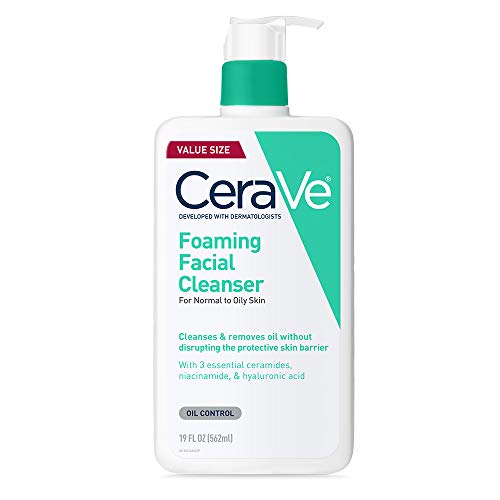
- [ FOAMING FACE WASH ] Oily skin cleanser dispenses as a clear gel cleanser and transforms into a foam as you lather. Cle…
- [ MULTI-USE FOAMING CLEANSER ] Foam cleanser for face and/or body and can be used as a hand wash. Suitable for daily cle…
- [ 3 ESSENTIAL CERAMIDES ] Ceramides are found naturally in the skin and make up 50% of the lipids in the skin barrier. A…

- Gently & Effectively Cleanses Makeup & Impurities: This daily purifying foaming gel cleanser effortlessly removes impuri…
- Non-Stripping Cleanser that Protects Your Skin Barrier: Formula helps maintains skin’s natural protective barrier and op…
- Clinically proven results after daily use for all: 94% reported cleaner*, healthier skin*, and 92% found it effectively …
When choosing a cleanser, it is imperative to consider your skin type. For oily skin, look for products containing salicylic acid or tea tree oil, as these ingredients can help control excess oil production. For dry skin, opt for a creamy, hydrating cleanser free of sulfates to avoid further dehydration. Sensitive skin types should seek fragrance-free formulations that are gentle yet effective.
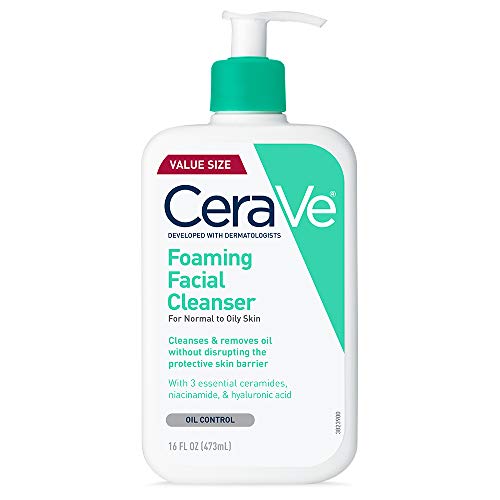
- [ FOAMING FACE WASH ] Dispenses as a clear gel cleanser and transforms into a foam as you lather. Cleanses without leavi…
- [NON- DRYING FACE CLEANSER] Fragrance-free, paraben free, non-comedogenic, non-drying, and non-irritating. Gently refres…
- [ MULTI-USE SKIN CARE ] Skin Cleanser for face and/or body and can be used as a hand wash. Suitable for daily cleansing …
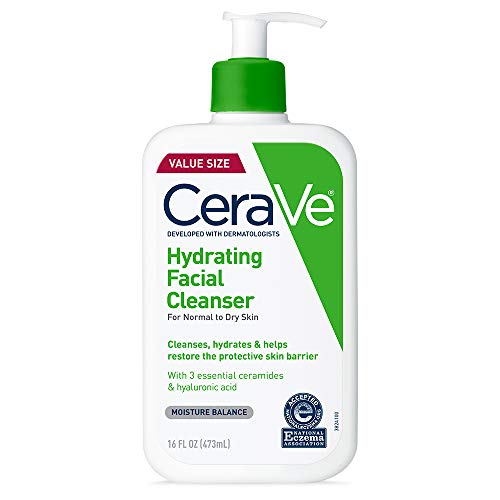
- [ HYDRATING FACE WASH ] Daily face wash with hyaluronic acid, ceramides, and glycerin to help hydrate skin without strip…
- [ ECZEMA FACE WASH ] Non-foaming cleanser for dry skin with a lotion-like consistency feels smooth as it cleanses, even …
- [ MULTI-USE GENTLE CLEANSER ] Cream cleanser for face and/or body and can be used as a hand wash. Suitable for daily cle…
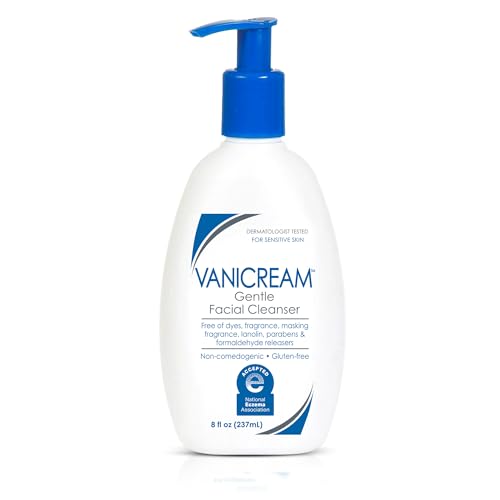
- Our mildest cleanser specifically formulated for daily facial use.
- Helps remove makeup and excess skin oils without drying your skin.
- Leaves skin feeling clean and soft.
As for the frequency of cleansing, dermatologists typically recommend washing the face twice daily—once in the morning to remove overnight oils and once at night to eliminate the day’s impurities. Always use lukewarm water, as hot water can strip natural oils, leading to dryness. Employ gentle circular motions with your fingertips or a soft cloth for effective cleansing without causing stress to the skin.
Step 2: Exfoliation Basics
Exfoliation is a crucial step in any effective skin care regimen, as it helps to remove dead skin cells, unclog pores, and promote the renewal of healthier skin. By incorporating regular exfoliation, one can achieve a smoother complexion while enhancing the skin’s ability to absorb other products like serums and moisturizers.
There are two primary methods of exfoliation: physical and chemical. Physical exfoliation involves the use of abrasive materials, such as scrubs and brushes, that physically slough off dead skin cells. This method can be effective but should be approached with caution to avoid irritation, especially for sensitive skin types. On the other hand, chemical exfoliation employs acids like alpha hydroxy acids (AHAs) and beta hydroxy acids (BHAs) to dissolve dead skin cells more gently. This method typically provides a deeper exfoliation and can be beneficial for various skin concerns, including acne and hyperpigmentation.

- Achieve brighter, smoother skin every day with this iconic exfoliating face wash that gently removes dulling surface deb…
- Formulated with Papaya Enzyme, Salicylic Acid, and other powerful ingredients, this dermatologist-recommended face scrub…
- Suitable for daily use, simply dispense into very wet hands and create a creamy paste by rubbing your hands together bef…
The frequency of exfoliation greatly depends on the individual’s skin type and the method being used. For most skin types, it is generally recommended to exfoliate 1 to 3 times a week. Drier or sensitive skin may benefit from less frequent exfoliation, while oily or acne-prone skin might require more regular treatment. It is essential to monitor how the skin responds and adjust the frequency accordingly to prevent over-exfoliation, which can lead to irritation and damage.
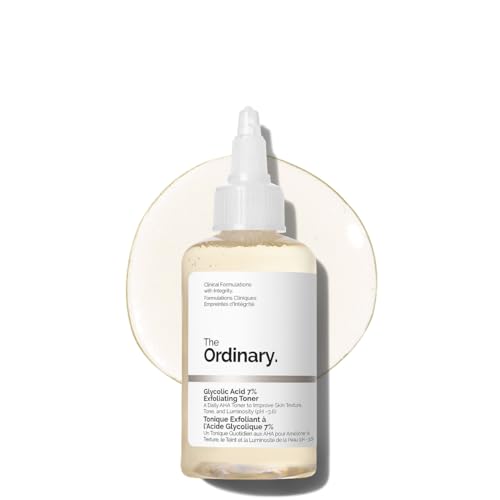
- EXFOLIATING TONER: Smoothes skin texture, visibly evens tone, and enhances luminosity with daily use.
- POWERED BY 7% GLYCOLIC ACID: Promotes more even looking skin tone, reduces the appearance of lines, and wrinkles, and bo…
- MULTI-FUNCTIONAL FORMULA: Can also be applied to the scalp to hydrate and rebalance dry scalp skin.
When selecting exfoliating products, consider the specific skin type. For sensitive skin, gentle physical scrubs or low-concentration chemical exfoliants are advisable. For oily or combination skin, stronger exfoliating products with BHAs may be more effective. Brands like Paula’s Choice and The Ordinary offer a range of suitable options tailored to different skin concerns. Always conduct a patch test before introducing new products into your routine to ensure compatibility with your skin.

- ANTI-AGING TONER WITH OMEGA ACIDS: This advanced formula combines omega fatty acids, nourishing plant oils, and potent a…
- ANTIOXIDANT SHIELD FOR ENVIRONMENTAL PROTECTION: Fortified with vitamins C & E, this toner helps shield skin from enviro…
- PLANT-BASED SOOTHING HYDRATION: Packed with skin-soothing botanicals, this toner delivers comfort and anti-aging benefit…
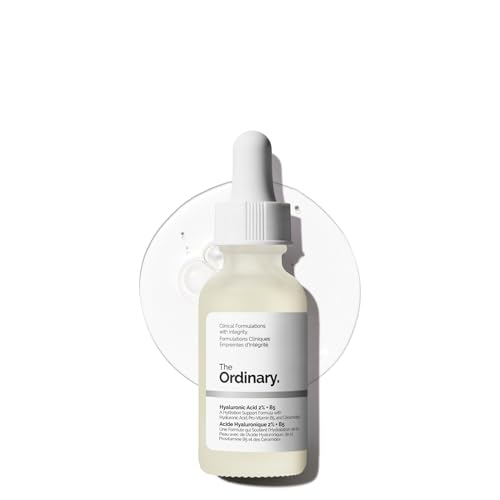
- INSTANT HYDRATION: Provides immediate, long-lasting hydration for smoother, plumper, and healthier-looking skin.
- SUPPORTS SKIN BARRIER: Ceramides lock in moisture and support the skin’s protective barrier.
- REDUCES FINE LINES: Minimizes the appearance of fine dry lines and wrinkles while promoting elasticity and skin smoothne…
Toning and Its Benefits
Toning is a crucial step in any ideal skin care routine. It serves to refine and prepare the skin for subsequent products, ensuring that the maximum benefits are extracted from them. One of the primary roles of a toner is to restore the skin’s natural pH balance, which can be disrupted during cleansing. This balance is vital for maintaining optimal skin health and function, as it supports the skin’s natural barrier, ensuring it stays hydrated and protected against environmental aggressors.

- NEW LOOK, SAME TONER FORMULA: Alcohol-free and formulated to purify, hydrate, and balance skin; This gentle face toner f…
- SOOTHES SKIN AFTER SHAVE: Acts as an aftershave for men to hydrate, soothe irritation, and prevent razor burn. Apply thi…
- PROVEN RESULTS: In just one use of this face toner, skin feels nourished, healthier, skin tone appears even, and skin is…
In addition to pH balancing, toners offer a variety of additional benefits. They help to remove any lingering impurities or remnants of makeup that may not have been eliminated during the cleansing phase. This ensures that the skin is fully prepped for absorption of serums, moisturizers, or treatments applied afterward, which can significantly enhance their effectiveness.
When selecting a toner, it is essential to consider specific skin concerns. For oily or acne-prone skin, toners containing ingredients such as salicylic acid or witch hazel can help to minimize excess oil and reduce breakouts. Conversely, individuals with dry or sensitive skin should opt for alcohol-free toners that include hydrating ingredients like aloe vera or glycerin to maintain moisture levels without irritation. For those focused on anti-aging, toners infused with antioxidants, such as vitamin C or green tea extract, can provide added protection against environmental stressors and support skin rejuvenation.
In summary, incorporating a toner into your skin care routine is a simple yet effective way to enhance your regimen. By understanding the types of toners available and their respective benefits, one can make informed choices tailored to individual skin needs, leading to healthier, more radiant skin.
Step 4: Serums for Targeted Treatment
Serums are an essential step in a comprehensive skin care routine, providing concentrated doses of active ingredients to address specific skin concerns. Unlike moisturizers, which primarily focus on hydration, serums penetrate deeper into the skin, delivering targeted treatment. Below, we explore various types of serums designed to tackle specific issues such as hydration, brightening, and anti-aging.
Hydrating Serums: These serums are typically formulated with hyaluronic acid, glycerin, and aloe vera, known for their exceptional moisture-retaining properties. A hydrating serum can help plump the skin and reduce the appearance of fine lines, making it particularly beneficial for those with dry or dehydrated skin. To incorporate a hydrating serum into your routine, apply it after cleansing and toning, allowing it to absorb before following up with a moisturizer.
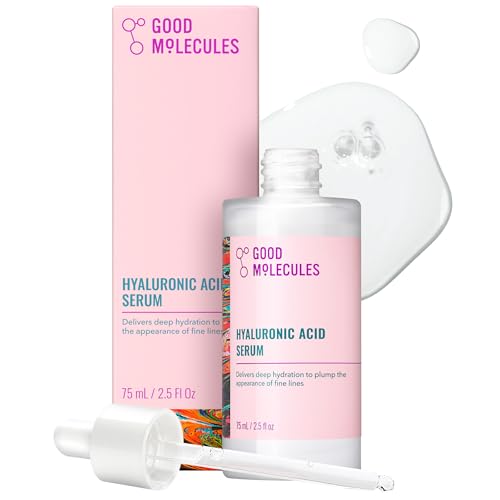
- DEEP, LONG LASTING HYDRATION: Experience the moisturizing power of Hyaluronic Acid! Embrace newfound confidence with the…
- PLUMP, FIRM, AND MOISTURIZE: Notice the difference in your skin! This serum works to restore moisture, bringing out the …
- POTENT FORMULA FOR RADIANT SKIN: Our serum contains two forms of hyaluronic acid with different molecular weights, allow…
Brightening Serums: Formulated to enhance skin radiance, brightening serums often contain vitamin C, niacinamide, or licorice extract. These ingredients help fade dark spots and even out skin tone, leading to a more luminous complexion. For optimal results, apply a brightening serum in the morning to harness its antioxidant properties, followed by sunscreen to protect against UV damage.
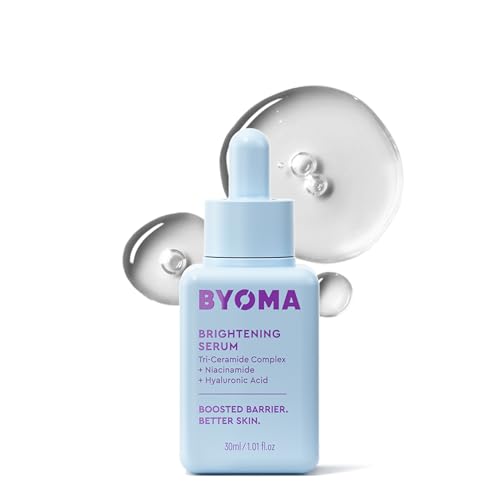
- BARRIER BOOSTING: This face serum works to strengthen skin barrier function, while defending against environmental aggre…
- BRIGHTEN & HYDRATE: This powerful brightening ceramide serum helps significantly improve skin’s tone and texture for eve…
- IMPROVES DULL TONE & TEXTURE: This lightweight barrier repair face serum visibly brightens while helping to ease signs o…
Anti-Aging Serums: These serums usually include potent ingredients such as retinoids, peptides, and antioxidants. Retinoids stimulate collagen production, improving skin texture and reducing wrinkles, while peptides support skin elasticity. It is advisable to introduce anti-aging serums gradually, applying them in the evening after cleansing and before your nighttime moisturizer to minimize potential irritation and maximize effectiveness.

- ADVANCED ANTI-AGING FORMULA: A skin-firming serum that targets the look of fine lines and wrinkles, promoting firmer and…
- TWO GENERATIONS OF MATRIXYL: Combines Matrixyl 3000 and Matrixyl Synthe’6 peptides to help support skin’s natural collag…
- HYDRATING HYALURONIC ACID: Supports deep hydration, ensuring skin stays plump and smooth.
By integrating the right serum into your skin care regimen, you can effectively target your unique skin concerns while enhancing your overall skin health. Understanding the properties of each serum type will allow you to customize your routine for optimal results.
Moisturizing Essentials
Moisturizing plays an essential role in any effective skin care routine, as it helps to maintain the skin’s hydration balance and overall health. The primary function of a moisturizer is to provide a barrier that locks in moisture, while also delivering beneficial ingredients that can assist in addressing specific skin concerns. There are three main types of moisturizers: creams, lotions, and gels, each suited to different skin types and needs.

- [ INTENSE & LONG-LASTING HYDRATION FOR A RADIANT GLOW ] Provides 72-hour hydration, leaving skin feeling deeply moisturi…
- [ HELPS WITH SKIN BARRIER REPAIR ] Formulated with three essential ceramides, 5 % Hydro-Urea, and shea butter, this body…
- [ CLINICALLY PROVEN RESULTS ] This Cream demonstrates significant delivers improvement in skin radiance, roughness, flak…
Creams are typically thicker and provide a rich, emollient formulation. They are ideal for individuals with dry or sensitive skin, as they offer longer-lasting hydration and help to soothe irritation. On the other hand, lotions have a lighter texture and are suitable for normal to combination skin. They absorb quickly and are less greasy, which can be ideal for daytime wear. Lastly, gels are the most lightweight option, often water-based. They are particularly beneficial for oily or acne-prone skin, as they provide hydration without clogging pores.
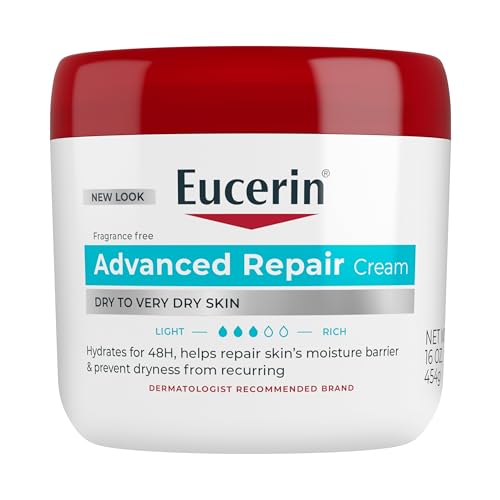
- 48-HOUR MOISTURE: Eucerin Advanced Repair Body Cream provides 48-hour moisture for skin that looks and feels healthy
- ENRICHED BODY MOISTURIZER: This body cream for dry skin is enriched with Ceramides-3 and Natural Moisturizing Factors
- FAST ABSORBING: The lightweight and fast-absorbing formula in this moisturizing cream smooths, repairs and hydrates dry …
Choosing the right moisturizer involves considering your skin type and specific concerns. For instance, those with dry skin should look for a product that contains occlusive ingredients like petroleum or shea butter. If you have oily skin, a gel-based formulation with oil-free ingredients such as hyaluronic acid may be ideal. Moreover, ingredients like ceramides and glycerin are advantageous for all skin types and help to reinforce the skin barrier.
When integrating a moisturizer into your routine, it is typically best to apply it after cleansing and toning, allowing moisture to trap in the skin. It is particularly beneficial to moisturize after using a serum or treatment to enhance efficacy. Ultimately, selecting a suitable moisturizer can significantly enhance skin health and protect against environmental stressors.
Step 6: Sun Protection Matters
Sun protection is a crucial aspect of any comprehensive skin care routine and plays an essential role in preserving skin health. Exposure to the sun’s ultraviolet (UV) rays can lead to a variety of skin issues, including sunburn, premature aging, and an increased risk of skin cancers. Thus, the implementation of effective sun protection measures cannot be overstated.
When selecting a sunscreen, it is vital to consider the SPF (sun protection factor) level. The American Academy of Dermatology recommends using a sunscreen with an SPF of at least 30, which blocks approximately 97% of harmful UVB rays. Those with fair or sensitive skin may benefit from higher SPF formulations. It is also important to reapply sunscreen every two hours, or more frequently if swimming or sweating, to maintain effective protection throughout the day.
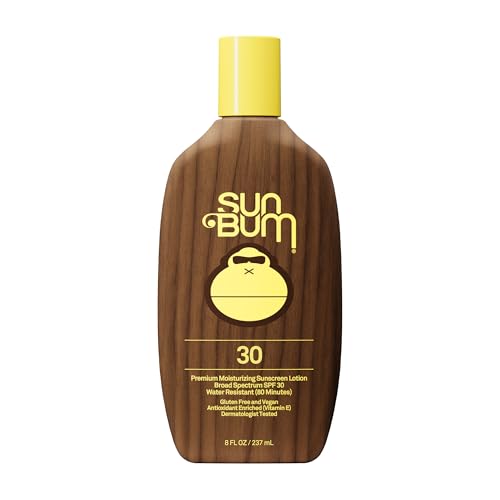
- ORIGINAL SPF 30 SUNSCREEN LOTION . This is the stuff we use every day. It’s the formula that started it all. People say …
- MOISTURIZING SUN PROTECTION. Dermatologist and Sonny approved, this non-comedogenic sunscreen delivers UVA/UVB protectio…
- HOW TO USE. 15 minutes before sun exposure, apply liberally to all areas of the skin and avoid the eye area. For best re…
There are two primary types of sunscreens: physical (mineral) and chemical. Physical sunscreens include active ingredients such as zinc oxide or titanium dioxide, which sit on the skin’s surface and reflect UV rays. They are often recommended for sensitive skin types due to their non-irritating nature. Chemical sunscreens, on the other hand, absorb UV rays and may contain ingredients like avobenzone or octocrylene. While effective in broad-spectrum protection, they can sometimes irritate the skin, especially for those with sensitivities.

- KIDS SPF 50 FACE STICK. Our Kids SPF 50 Face Stick will protect your kids’ skin from harmful UVA/UVB rays. Formulated fo…
- HOW TO USE. Apply liberally 15 minutes before sun exposure. Reapply: after 80 minutes of swimming or sweating. Immediate…
- MADE WITHOUT. Our Kids line is formulated without Oxybenzone, Octinoxate, Gluten, Parabens, and Synthetic Fragrance.
Regardless of the sunscreen type chosen, daily application is key. UV rays can penetrate clouds and appear strong even on overcast days, making year-round sun protection essential. A well-rounded skin care routine that includes diligent sun protection will not only shield the skin but also significantly reduce signs of aging, allowing individuals to maintain a youthful and healthy complexion.
Night Time Routine: What to Change
Developing an effective night skincare routine is essential for maintaining healthy and radiant skin. Unlike a daytime routine, which often focuses on protection from environmental aggressors, the nighttime regimen primarily centers around repair and restoration. During sleep, skin cells work hard to renew themselves, making it the perfect opportunity to introduce products that enhance this natural process.
One significant change to consider for your night skincare routine is the inclusion of potent active ingredients, such as retinol. Retinol is a derivative of vitamin A that encourages cell turnover and stimulates collagen production. By incorporating retinol, you can effectively address signs of aging like fine lines and uneven skin tone. However, it’s crucial to start gradually, as retinol can be irritating to those unaccustomed to it. Pairing it with a hydrating moisturizer can alleviate some of the dryness that may occur.
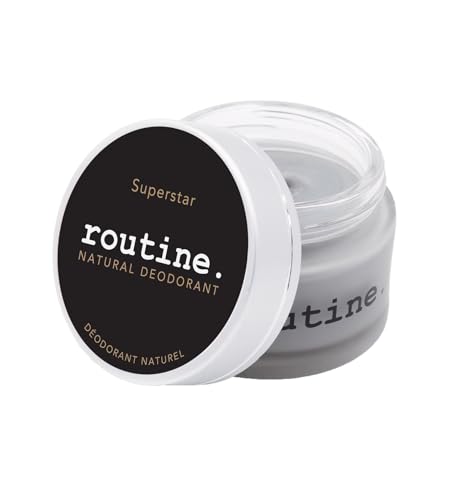
- CONFIDENCE IN A JAR. This little jar of wonder was created for your underarms, but its natural formula means you can put…
- WARM, RICH & ICONIC Tonka, Sage, Cardamom & Rosalina. THE LIFE-CHANGING LEGEND, LOVED BY MILLIONS.
- Apply a dime-sized amount to each underarm, and any area of your external body that you’d like to smell nice. This is ou…
Another beneficial addition to your nighttime skincare regime is nourishing oils. Oils such as jojoba, rosehip, or argan oil not only moisturize but also provide a rich source of antioxidants and essential fatty acids. These oils help in repairing the skin barrier and prevent moisture loss as you sleep, leading to a plumper and healthier-looking complexion in the morning.
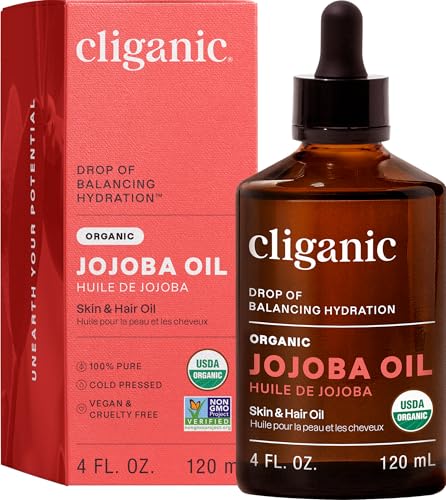
- Packaging May Vary – New look, same great product.
- Certified Organic Jojoba Oil – Cliganic organic jojoba oil is proudly USDA organic certified to ensure ultimate quality …
- 100% Pure, Single Ingredient Oil – Cliganic organic jojoba oil is a single-ingredient product. No synthetic additives, e…
Aside from specific products, the overall approach to nighttime skincare should prioritize gentleness. Consider using a mild cleanser to remove impurities accumulated throughout the day without stripping away essential moisture. Additionally, implementing a comprehensive night treatment will promote healing and rejuvenation, ensuring that your skin is revitalized and prepared to face the challenges of a new day ahead.
- Our mildest cleanser specifically formulated for daily facial use.
- Helps remove makeup and excess skin oils without drying your skin.
- Leaves skin feeling clean and soft.
Common Mistakes to Avoid
Establishing an effective skincare routine requires attention to detail and a deliberate approach. However, some common mistakes can sabotage even the best intentions. One prevalent pitfall is over-exfoliating. While exfoliation is crucial for removing dead skin cells and promoting cell turnover, overly aggressive or frequent exfoliation can lead to irritation, redness, and compromised skin barrier function. It is essential to choose a gentle exfoliant and limit its use to avoid damaging the skin.
Another frequent misstep is neglecting to patch test new products. Many individuals overlook this critical step, leading to adverse reactions that can derail their skincare efforts. Patch testing, which involves applying a small amount of a new product on a discreet area of skin, can help identify potential allergic reactions or irritations before applying the product more broadly. This practice can save time, money, and frustration in finding what works for one’s skin type.
In addition to these mistakes, utilizing too many products simultaneously can overwhelm the skin and lead to ineffective results. It is important to introduce new products gradually and observe how the skin reacts before adding others. A streamlined routine with key products tailored to specific skin concerns is far more effective than a haphazard approach.
To build a successful skincare regimen, consistency and patience are paramount. Adhering to a routine over time is more beneficial than frequently changing products based on fleeting trends. Results may take weeks or months to become apparent, so it is vital to stay committed, avoid common mistakes, and adopt a patient mindset. This conscientious approach will lead to healthier, more radiant skin.